Welcome to the Good News Roundup for September 28, 2026
12-year-old raises $2 million for rural healthcare after 500km walk
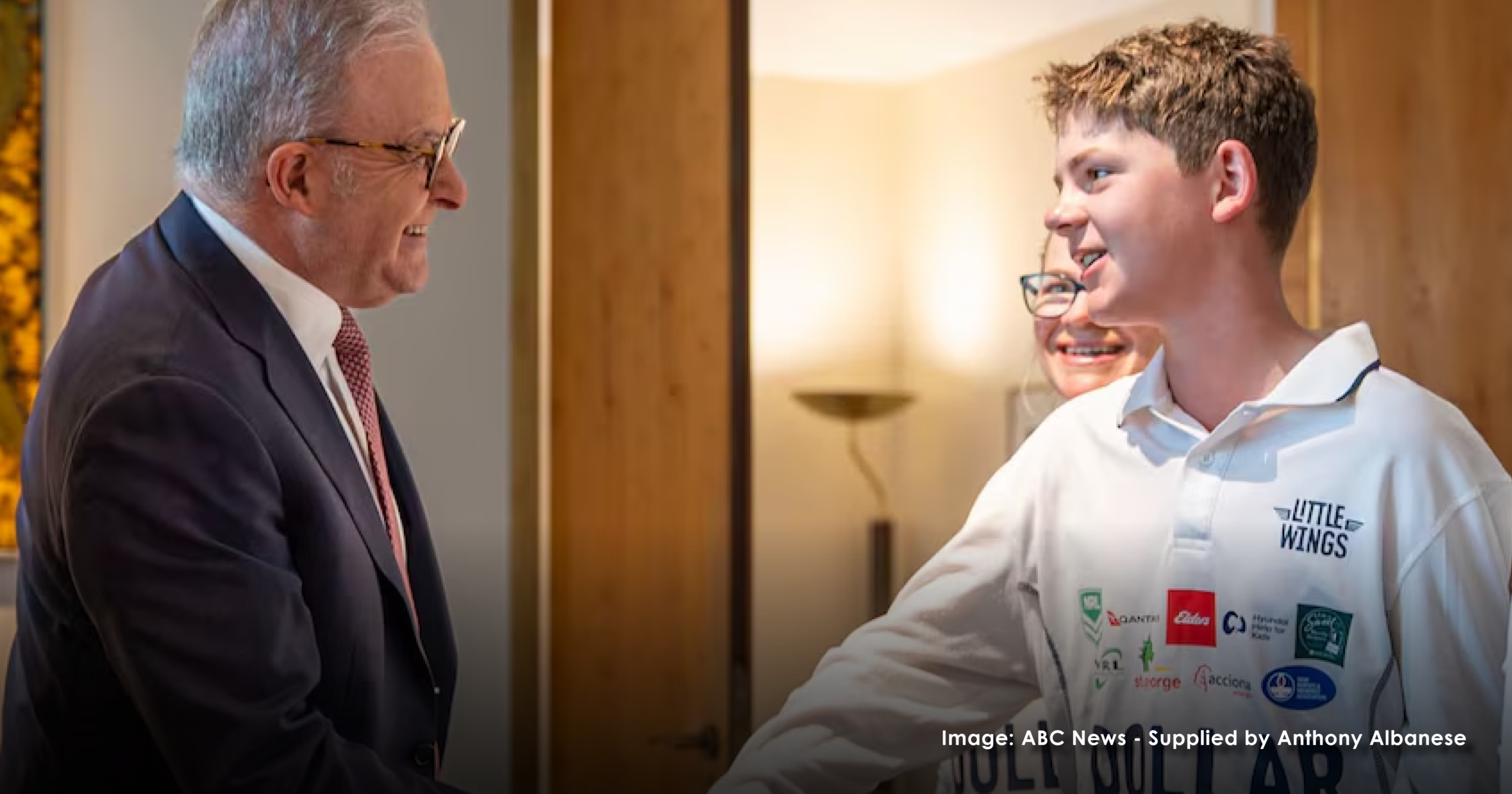
A 12-year-old boy from New South Wales, Australia has turned a 500 kilometre walk to Canberra into $2 million for rural healthcare.
Dusty Langby set out from Warren NSW to raise $500,000 for Little Wings, inspired by his own experience with the charity supporting children needing specialist medical care.
After reaching Canberra, Prime Minister Anthony Albanese agreed to match Dusty’s fundraising and contribute an additional $1 million, with the funding expected to support around 600 missions for children and families in regional and remote communities.
Read more about Dusty’s journey here.
AI machine helps save 25 million Lego bricks from landfill
An AI powered machine is helping give millions of unwanted Lego bricks a second life, with UK company WeBuyBricks saying its technology has helped save 25 million pieces from landfill.
The Brick-O-Matic uses cameras, AI and jets of air to identify and sort up to 100,000 Lego pieces a day, recognising more than 60,000 different types.
The cleaned and sorted bricks are then resold, helping make preowned Lego more affordable while keeping millions of pieces in use rather than sending them to landfill. Read more here.
Scientists find a way to give ageing EV batteries a second life
Researchers at Cornell University have developed a process that can restore ageing lithium-ion batteries without breaking them down into their raw materials.
The DEER process removes buildup from battery electrodes, with regenerated cells recovering up to 95% of their original capacity and showing slower degradation than untreated batteries.
The approach could offer a lower cost, less energy intensive way to extend the life of some electric vehicle batteries, while reducing the need to immediately recycle them for their raw materials. Read more about the process here.
Cash for wildlife photos helps turn hunters into protectors
A conservation programme in Indonesia is helping communities protect wildlife by paying locals to photograph and record animals instead of hunting them.
The KehatiKu project pays people in nine villages in West Kalimantan for wildlife observations, with more than 350,000 sightings submitted so far and some participants earning up to 10 million rupiah a month.
The programme is already showing positive signs, with two villages voluntarily introducing hunting bans and locals saying they now want to protect the wildlife they once considered pests. Read more here.